

Ut tellus dolor, dapibus eget, elementum ifend cursus eleifend, elit. Aenea ifen dn tor wisi Aliquam er at volutpat. Dui ac tui end cursus eleifendrpis.

Phone No:
(+91 99109 04079)
H 143, Gurunanak Market, Mehrauli – Badarpur Rd, Lal Kuan, New Delhi, Delhi 110044
Email Address: aretepowertech@gmail.com
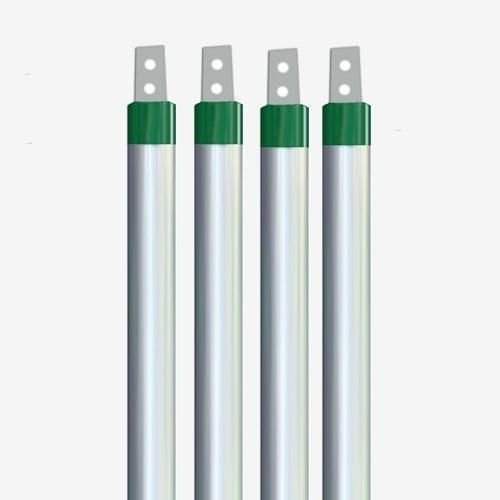
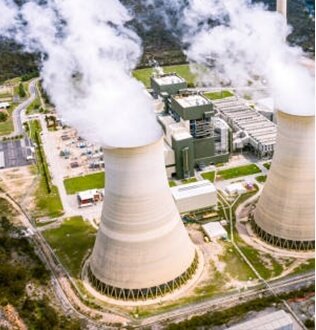
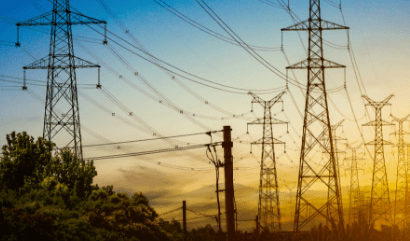
Earthing is one of the most critical aspects of any electrical system. From domestic households to large-scale industrial complexes, every electrical installation requires a reliable and efficient earthing system to ensure the safety of people, equipment, and property. Among the different earthing solutions available, the G.I. (Galvanized Iron) Earthing Electrode has gained immense popularity due to its durability, cost-effectiveness, and ease of installation.
Or an actual quality percentage figure (e.g., “99.9% reliability” for your earthing products
A G.I. earthing electrode is a specially designed rod or pipe made from galvanized iron that is embedded into the ground to provide a low-resistance path for fault currents. Its primary function is to ensure that any leakage or fault current from electrical systems is safely transferred into the ground, thereby preventing accidents, electrical shocks, equipment failure, and even fire hazards.
Hot dip galvanization, which is the process of coating the electrode with a layer of zinc, enhances the corrosion resistance of the electrode and makes it last longer even under challenging soil conditions. Typically, these electrodes offer a lifespan of 15+ years, making them one of the most reliable earthing solutions in the market.
In addition, G.I. electrodes are maintenance-free, require minimal upkeep, and are available in various sizes (lengths from 1 meter to 3 meters and diameters from 20 mm to 100 mm) to suit different installation requirements. Their versatility and long service life make them an excellent choice for residential, commercial, and industrial applications.
👉 To explore high-quality G.I. earthing electrodes, you can visit www.aretepowertech.co.in, a trusted supplier of durable and certified earthing solutions.
Earthing is not just a technical necessity but also a legal requirement in many countries. Electrical codes and safety regulations worldwide emphasize the need for proper earthing systems because of the following reasons:
When a fault occurs in an electrical system, such as a short circuit or insulation failure, dangerous voltages may appear on exposed metal parts of appliances or machinery. Without proper earthing, a person touching such equipment could receive a severe or even fatal shock. A G.I. earthing electrode provides a safe pathway for these currents to dissipate into the earth, thus protecting human life.
Electrical faults often lead to excessive current flow, which can generate heat and cause sparks. These sparks may ignite surrounding materials, leading to electrical fires. By ensuring fault current flows directly into the ground, a robust earthing system minimizes the risk of fire outbreaks.
Earthing helps in maintaining stable voltage levels within electrical systems. It prevents the build-up of excessive voltages due to lightning strikes or switching surges, thereby safeguarding sensitive equipment such as computers, telecom systems, and industrial machinery.
Industrial and commercial facilities house expensive electrical equipment that can be severely damaged by uncontrolled surges or fault currents. Proper earthing extends the life of equipment, reduces downtime, and minimizes repair costs.
Almost every electrical installation standard (such as IS 3043 in India, IEEE, and IEC standards) mandates proper earthing practices. Using high-quality electrodes like G.I. earthing electrodes ensures compliance with these safety codes and avoids legal complications.
⚡ If you are looking for certified and standard-compliant GI earthing solutions, visit www.aretepowertech.co.in
.
Among the different materials available for earthing electrodes (such as copper, stainless steel, and chemical electrodes), Galvanized Iron (GI) stands out as one of the most cost-effective and widely used options. Let us explore why GI is an ideal choice for earthing systems:
The biggest challenge for any earthing electrode is corrosion, as it is constantly in contact with soil and moisture. G.I. electrodes are manufactured using the hot dip galvanization process, where a thick layer of zinc is coated on the iron surface. This zinc layer acts as a barrier, protecting the electrode from rust and degradation. The result is a lifespan of more than 15 years, even in challenging soil conditions.
Compared to copper electrodes, G.I. electrodes are much more affordable while still delivering excellent performance. This makes them the preferred choice in large-scale projects where multiple earthing points are required.
G.I. electrodes provide excellent mechanical strength. Their robust construction allows them to withstand physical stress during installation and remain effective even in rocky or harsh soil environments.
G.I. electrodes are available in different lengths (1m, 2m, 3m) and diameters (20mm, 40mm, 80mm, 100mm). This flexibility allows engineers to choose the right electrode size based on soil resistivity, fault current levels, and installation site requirements.
Unlike traditional plate earthing, which requires frequent watering and chemical treatment, G.I. earthing electrodes are practically maintenance-free. Once installed, they provide stable resistance values over time, making them ideal for modern electrical installations.
G.I. electrodes work efficiently in most soil types, including sandy, clayey, and rocky soils. With proper installation techniques and backfill compounds, they can achieve very low resistance values even in high-resistivity soils.
G.I. earthing electrodes are manufactured according to strict quality standards, ensuring they meet national and international safety codes. This makes them suitable for use in residential, commercial, and industrial projects alike.
A G.I. (Galvanized Iron) Earthing Electrode is a specially designed electrical safety device used to provide a direct physical connection between electrical systems and the ground. It is made of galvanized iron, which is iron coated with a protective layer of zinc. This zinc layer helps resist corrosion, ensuring a long lifespan even in harsh soil conditions.
The main function of a G.I. earthing electrode is to safely carry fault currents and leakage currents into the ground, preventing shocks, fire hazards, and equipment damage. Because of their durability, cost-effectiveness, and ease of installation, G.I. earthing electrodes are widely used in residential, commercial, and industrial electrical systems.
By definition, a G.I. earthing electrode is a conductive metallic rod, pipe, or plate that establishes a low-resistance path to the ground. It is buried deep into the soil, where it comes in contact with moisture and minerals, enabling the dissipation of electrical charges into the earth.
The working principle is simple:
When there is a fault in the electrical circuit, excess current flows into the electrode.
The electrode transfers this current into the earth’s conductive mass.
This keeps equipment, structures, and people safe from dangerous voltages.
Both copper and G.I. electrodes are widely used. Here’s how they compare:
Material
Corrosion Resistance
Conductivity
Cost
Life Expectancy
Applications
Galvanized iron (zinc-coated)
Good (due to galvanization)
Lower than copper
Affordable
15+ years
Residential, commercial, industrial
Pure copper or copper-bonded steel
Excellent
Very high
Expensive
20+ years
High-end projects, sensitive equipment
👉 For projects that demand cost-effectiveness and durability, G.I. electrodes are preferred. Copper is usually chosen when maximum conductivity is critical, but the higher cost makes it less suitable for large-scale projects.
Hot dip galvanization is the process of coating iron or steel with a layer of molten zinc. The electrode is dipped into a bath of molten zinc, which bonds with the iron surface. This coating provides long-lasting protection against rust and corrosion.
Prevents rust formation even in moisture-rich soils
Extends electrode lifespan
Reduces maintenance costs
Improves safety and reliability
Thanks to galvanization, G.I. electrodes last 15 years or more, even under tough soil conditions. In some environments, they can last even longer when installed correctly.
Maintenance-Free – Once installed, no regular watering or chemical treatment is required.
Easy Installation – Simple to install with basic tools, saving labor and time.
Wide Size Availability – Available in different lengths (1m, 2m, 3m) and diameters (20mm–100mm) to suit diverse projects.
Material Composition: Mild steel/iron with hot dip galvanized zinc coating
Coating Thickness: Typically 80–100 microns for long-lasting protection
Resistance Values: Designed to achieve very low resistance (typically <1 ohm with proper backfill)
Standards Followed: IS 3043 (India), IEC 60364, IEEE 80, and other international earthing guidelines
Residential Buildings – Safe power supply, protection of household appliances
Commercial Complexes – Protects sensitive electronics, elevators, and HVAC systems
Industrial Plants – Ensures machinery safety and minimizes downtime
Telecommunication Towers – Protection against lightning and surges
Renewable Energy Projects – Reliable grounding for solar farms and wind installations
Longevity – Lasts 15+ years due to galvanization
Cost-Effectiveness – Lower cost than copper electrodes, ideal for bulk use
Safety and Reliability – Provides consistent grounding with minimal maintenance
Tools Required
Spade/shovel for digging
Hammer or hydraulic driver
Measuring tape
Backfill compound (bentonite, charcoal, salt, or ready-made earth enhancing compound)
Site Selection – Choose a location with natural soil moisture.
Digging/Boring – Create a hole deep enough for the electrode (typically 2–3m).
Placement – Insert the electrode vertically.
Backfilling – Use charcoal, salt, or a chemical compound to lower resistance.
Connection – Attach the electrode to the earthing strip using clamps.
Testing – Measure resistance to ensure compliance with standards.
G.I. Earthing Electrodes are among the most reliable and economical solutions for modern electrical grounding systems. With hot dip galvanized coating, they resist corrosion, last for over 15 years, and require almost no maintenance. Their wide size range and easy installation make them suitable for residential, commercial, and industrial applications alike.

